
 By admin
Introduction
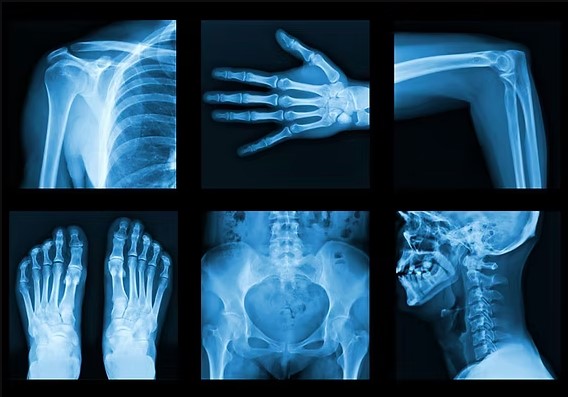
X-rays are a vital tool for diagnosing a variety of medical conditions, from fractures and bone injuries to chest and dental problems. With advancements in medical imaging technology, digital X-rays are gradually replacing traditional film-based X-rays. At Himalayan Diagnostic Centre, Dehradun, we provide state-of-the-art digital X-ray services that are faster, safer, and more accurate.
What Are Digital X-Rays?
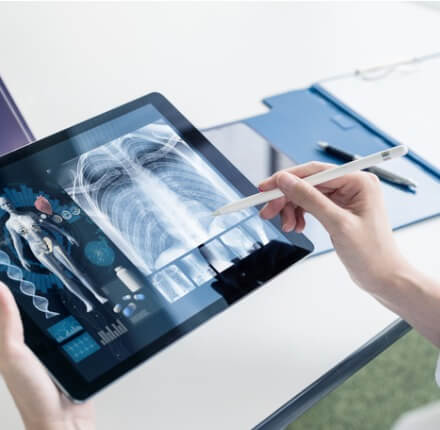
Digital X-rays use electronic sensors to capture images directly on a computer. The technology offers numerous advantages over traditional methods:
-
Faster Imaging: Immediate results on computer screens
-
Enhanced Image Quality: Ability to zoom, adjust contrast, and analyze images clearly
-
Reduced Radiation Exposure: Safer for patients, especially for repeated scans
-
Easy Storage & Sharing: Digital images can be stored electronically and shared with specialists instantly
What Are Traditional X-Rays?
Traditional X-rays use film to capture images of bones and tissues. While they have been widely used for decades, they have some limitations:
-
Require chemical processing of films
-
Images can take longer to produce
-
Limited ability to enhance or adjust image quality
-
Higher radiation exposure compared to modern digital methods
Benefits of Digital X-Rays
1. Accuracy and Clarity
Digital X-rays provide sharper and clearer images, helping doctors detect even minor fractures, dental issues, or internal conditions.
2. Speed and Convenience
No need for film development—patients get results quickly, enabling faster diagnosis and treatment.
3. Safety
Digital X-rays use lower radiation doses, making them safer for children, pregnant women (with precautions), and patients requiring multiple scans.
4. Environmentally Friendly
No chemicals or films are required, reducing waste and environmental impact.
5. Easy Sharing and Storage
Digital images can be stored in electronic health records and easily shared with specialists for second opinions or follow-ups.



Leave A Comment